
Malayalam Tuition - How to Find the Right Tutor for Your Child
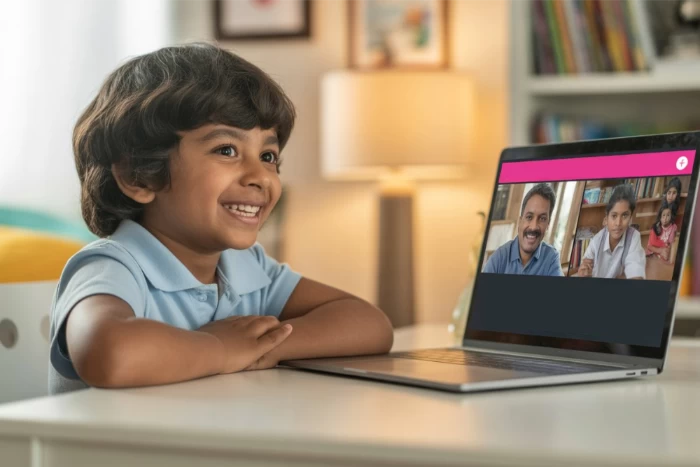
Every Malayali parent reaches that moment. Your child comes home from school, opens their Malayalam textbook, stares at the page — and looks completely lost. Or perhaps you're raising your family in the Gulf, and you've realised that your child can speak Malayalam at home but can't read a single word of it. Either way, the feeling is the same: something needs to change, and it needs to change soon.
Malayalam tuition is the answer most parents eventually turn to. But finding the right tutor — one who genuinely connects with your child, uses the right method, and delivers real results — is a decision that deserves more thought than simply picking the first name that appears in a search result.
This guide will help you get it right.
Why So Many Children Struggle With Malayalam
Before looking for a tutor, it helps to understand why Malayalam is genuinely difficult for children — especially those growing up outside Kerala.
Malayalam has 56 letters. Its script is complex, its pronunciation includes sounds that don't exist in most other languages, and its traditional teaching method — which starts with the hardest letters first — has a long history of frustrating students before they've barely begun.
The letter "A" (?), the very first letter in the traditional sequence and the same letter that begins Amma (???? — Mother), is one of the most difficult letters in the entire language to write. Starting there is like teaching a child to swim by throwing them into the deep end.
For children growing up in the UAE, Qatar, Saudi Arabia, or elsewhere in the Gulf, the challenge is compounded. Malayalam may be spoken at home, but it's rarely written. School teaches English or Arabic. Malayalam becomes the language they hear but can't read — and over time, that gap widens.
Good Malayalam tuition closes that gap. But only if the tutor knows what they're doing.
What to Look for in a Malayalam Tuition Teacher
This is where most parents go wrong. They focus on qualifications alone — and while credentials matter, they're only one piece of the picture.
Teaching method matters more than most parents realise. The traditional approach to teaching Malayalam — all letters first, then words, then sentences — is slow, dry, and demoralising for children. The best Malayalam tutors today take a different approach. They start with the simplest letters, not the hardest. They introduce words and sentences early, so children experience the satisfaction of reading something real within the first few classes. This builds momentum, and momentum builds confidence.
Ask any tutor you're considering: Where do you start? If the answer is "from the beginning of the alphabet in order," that's worth probing further.
Experience with your child's age group is essential. Teaching a six-year-old Malayalam requires a completely different skill set than teaching a fourteen-year-old preparing for Kerala board exams. A tutor who is brilliant with teenagers may struggle to hold the attention of a young child — and vice versa. Always ask specifically about experience with children at your child's current level and age.
Genuine passion for the language makes a difference. Malayalam is a rich, beautiful language with a literary tradition stretching back centuries. The best tutors bring that love into the classroom. Children pick up on enthusiasm — and a tutor who genuinely loves what they teach will always outperform one who is simply going through the motions.
Online vs In-Person Malayalam Tuition—What Works Best
For families based in Kerala, in-person Malayalam tuition is a natural first choice. But for the millions of Malayali families living abroad, online Malayalam tuition has become not just an option but the preferred route—and for good reason.
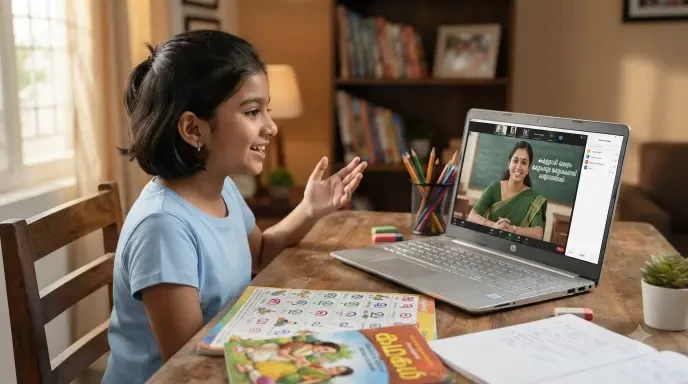
Live online classes via platforms like Zoom offer everything a physical classroom does—real-time interaction, immediate feedback, and the ability to ask questions on the spot—without the logistical challenges of commuting or finding a local tutor who specializes in Malayalam specifically.
For expat families in particular, online Malayalam tuition also solves a problem that in-person learning never could: access to the best teachers, regardless of geography. A family in Dubai or Doha can connect with an expert Malayalam tutor based in Kerala — something that simply wasn't possible a decade ago.
The key is to ensure the online classes are live and interactive, not pre-recorded video lessons. Passive watching does not build the reading and writing skills your child needs. Real progress comes from real engagement with a real teacher.
What a Good Malayalam Tuition Programme Should Cover
A structured Malayalam tuition program should take your child on a clear journey — from their first simple letters to reading short stories and writing their own sentences with confidence.
The best programs teach vowels and consonants together rather than in rigid isolation. They introduce words formed from newly learned letters immediately, so children are always reading and writing real language — not just drilling abstract symbols. Signs and compound letters (Koottaksharangal) are introduced gradually, giving children time to absorb each stage before moving to the next.
By the halfway point of a well-designed program, your child should already be writing simple sentences independently. By the end, they should be able to read short stories, write comfortably, and approach their Malayalam school subject with genuine confidence rather than dread.
If a tuition program can't give you a clear picture of this journey before you enroll—that's a red flag.
Practical Questions to Ask Before You Enrol
Once you've shortlisted a tutor or programme, these questions will help you make the final decision with confidence:
How many classes per week do you recommend? Two sessions per week is typically the sweet spot for children — enough to maintain momentum without overwhelming their schedule.
How long before my child can read and write independently? A good tutor should be able to give you a realistic timeline based on your child's current level.
Is a free demo class available? Any tutor confident in their teaching should be willing to offer a trial session. It lets your child experience the style firsthand — and lets you judge the fit before committing.
What happens if my child falls behind? The best tutors adapt. Ask how they handle students who need more time at a particular stage.
The Right Tutor Changes Everything
Malayalam tuition works, but only when the tutor, the method, and the child are the right fit. A child who dreads their Malayalam class with the wrong tutor can completely transform under the right one. The language clicks, the confidence grows, and what once felt impossible starts to feel natural.
Take the time to ask the right questions, try a demo class, and trust your instinct as a parent. The right Malayalam tutor for your child is out there — and finding them is absolutely worth the effort.
Related Blog




















69d8c098183eb.jpg)




699d25acafc91.jpg)









693fd66242110.jpg)
693be91f9e848.jpg)
693c018309eb3.jpg)
693fc7984290e.jpg)

693c0b5f9fd15.jpg)


693fe8574c696.jpg)
693bf3d581e17.jpg)
693fd05d8e2b2.jpg)