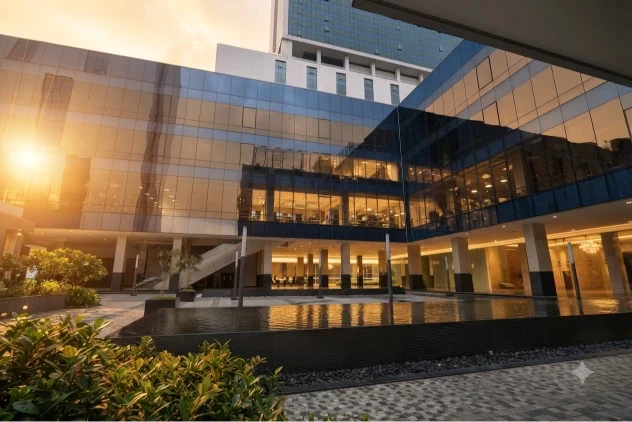
How Color Influences Office Productivity and Mood: The Power of Color Psychology
Office interior design
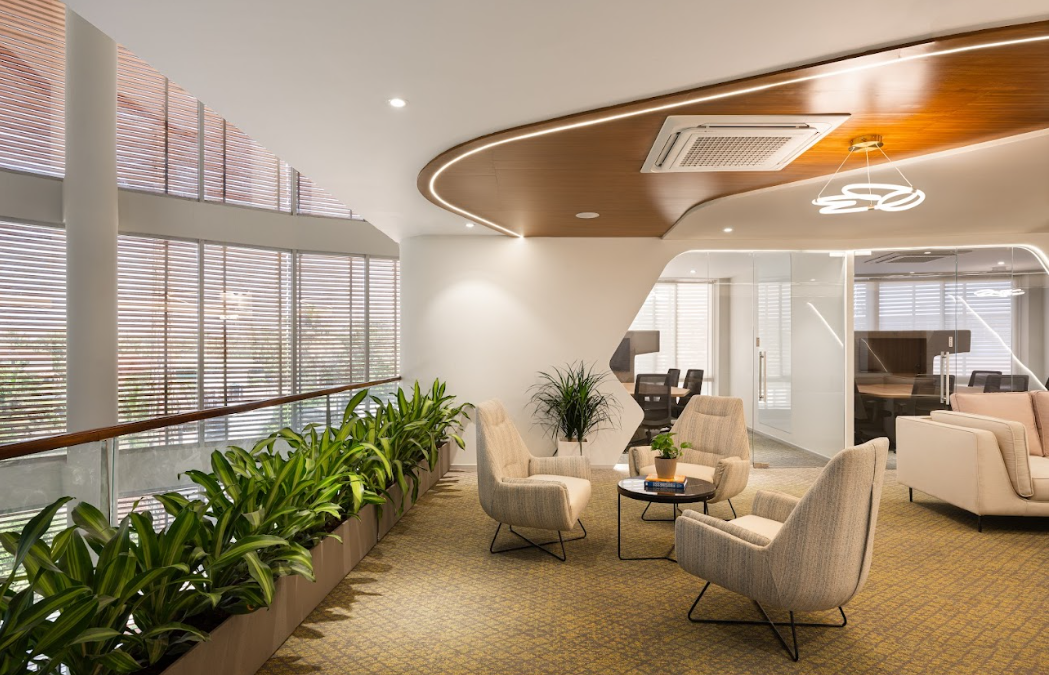
Every detail in an office, from furniture to layout, has the potential to shape employees’ moods, performance, and overall experience. A subtle yet powerful influence on this is the use of color. More than just an aesthetic choice, colors have the ability to evoke emotions, impact behavior, and even enhance cognitive performance. By understanding the principles of color psychology and applying them in the workplace, businesses can create environments that boost productivity, creativity, and employee well-being.
What is color psychology?
Color psychology is the study of how different hues influence human emotions, behavior, and decision-making. Throughout history, cultures have attributed specific meanings to colors—red symbolizes passion, blue invokes calm, and yellow is associated with optimism. Scientific studies now confirm these associations, showing how exposure to certain colors can trigger emotional responses, alter heart rates, and impact mental focus. In the context of the workplace, color psychology explores how colors can be used to create environments that foster productivity, relaxation, focus, or creativity. The colors in your office don’t just serve as decorative elements; they are silent forces that influence your team’s performance and interactions.
Practical Applications of Color in the Workplace
Leading companies understand the impact of color psychology and integrate it into their office designs. From selecting paint colors for walls to incorporating branded accents and employee uniforms, color plays a significant role in creating the right office atmosphere.
For example:
Reception Areas: Soft yellows and oranges are used to create a warm and welcoming atmosphere.
Meeting Rooms: Calming blues and neutral tones encourage focused discussions and facilitate communication.
Break Rooms: Cheerful greens or yellows are used to provide a relaxing space for employees to recharge.
Open Offices: A balanced mix of subtle tones ensures energy levels stay high without causing distractions.
It’s essential to find the right balance—too much vibrancy can be distracting, while dull colors may drain energy. A careful mix of stimulating and calming hues creates an environment that supports different tasks and moods throughout the day.
How Colors Affect Mood and Emotions
Colors are a powerful tool in influencing mood. The psychological effects of specific colors can shape how employees feel and behave at work. Below is an overview of common colors and their impact in the office environment:
Red: A bold, energizing color that can increase heart rate and foster a sense of urgency. It is ideal for high-energy spaces, such as creative zones, where quick thinking is required. However, excessive red can increase stress, so it should be used in moderation.
Blue: Known for its calming and dependable qualities, blue promotes relaxation and focus. It is ideal for workstations and conference rooms, where clear thinking and concentration are essential.
Green: Associated with balance and nature, green is soothing for the eyes and promotes a calming effect. It is especially beneficial in spaces where employees spend long hours, such as call centers or open workspaces.
Yellow: A bright, happy color that stimulates creativity and optimism. However, too much yellow can be overwhelming. It works best as an accent color in brainstorming rooms or break areas to create an uplifting environment.
Orange: A combination of red’s energy and yellow’s cheerfulness, orange encourages social interaction and collaboration. It is well-suited for team spaces where communication and creativity are vital.
Purple: Traditionally linked to creativity and luxury, purple is often used in spaces meant to inspire innovation. Lighter shades, such as lavender, can have a calming effect and work well in quieter areas.
Neutral Colors (White, Gray, Beige): These tones create a professional, clean environment. However, excessive gray can feel dull or depressing, so pairing it with vibrant accents is recommended to maintain energy.
The Link Between Color and Workplace Productivity
There is ample research that shows how specific colors can impact work performance and employee well-being. The right color choices can promote focus, creativity, and relaxation, all of which are crucial to a productive workday.
Boosting Focus and Accuracy: Colors like red help stimulate alertness, making them ideal for areas requiring high attention to detail, such as offices for accounting or proofreading.
Fostering Creativity: Colors such as blue and green, known for their calming properties, help reduce mental fatigue and promote creativity by encouraging a relaxed yet focused mindset.
Reducing Stress: Long working hours can lead to burnout. Incorporating soothing colors like green or soft blues in relaxation zones helps employees unwind and de-stress.
Enhancing Mood: A well-lit space with cheerful colors can significantly improve employees' moods, creating a positive and motivating atmosphere. Positive emotional environments contribute to job satisfaction and lower absenteeism.
Additionally, integrating natural light with the right color choices amplifies these benefits by supporting circadian rhythms, enhancing alertness, and helping employees sleep better at night.
Color Psychology for Different Office Zones
To create an office that maximizes productivity, it’s essential to choose colors that match the purpose of each space. Here’s how to use color effectively in different office zones:
Individual Workspaces: Focus and concentration are key here. Cool tones like blue or green help maintain a calm, sharp, and alert mindset. Soft neutrals also work well to minimize distractions.
Meeting Rooms: Neutral shades with pops of vibrant accents like orange or yellow can foster open communication and collaboration.
Creative Zones: Bright colors like red or yellow can stimulate energy and creativity, making them ideal for brainstorming rooms and areas where innovation is encouraged.
Break Rooms: To promote relaxation and social interaction, calming greens, blues, and earthy tones should dominate this space. These colors help employees relax and recharge.
Reception Areas: First impressions matter. Use inviting colors like soft yellow, orange, or neutral tones to welcome visitors and set a positive tone for the company.
Hallways and Transitional Spaces: Neutral palettes with subtle accent colors ensure these areas remain engaging without distracting from the core workspaces.
Conclusion
Color psychology offers a unique and powerful way to shape your office environment to enhance productivity, mood, and overall well-being. By understanding the emotional and physiological effects of different colors, businesses can create workspaces that support focus, creativity, and relaxation. Thoughtful color choices, tailored to each office zone, can have a lasting impact on employee performance and satisfaction.
Incorporating color psychology into your office design is an investment that goes beyond aesthetics—it’s a science-backed strategy for boosting employee engagement and productivity. As an office interior design company, we understand how the right color choices can transform your workspace, creating an environment that promotes both work and well-being. By harnessing the power of color, you can create a workspace that truly enhances your team's performance and happiness.
Related Blog



















69d8c098183eb.jpg)




699d25acafc91.jpg)







693fd66242110.jpg)
693be91f9e848.jpg)
693c018309eb3.jpg)
693fc7984290e.jpg)

693c0b5f9fd15.jpg)


693fe8574c696.jpg)
693bf3d581e17.jpg)
693fd05d8e2b2.jpg)