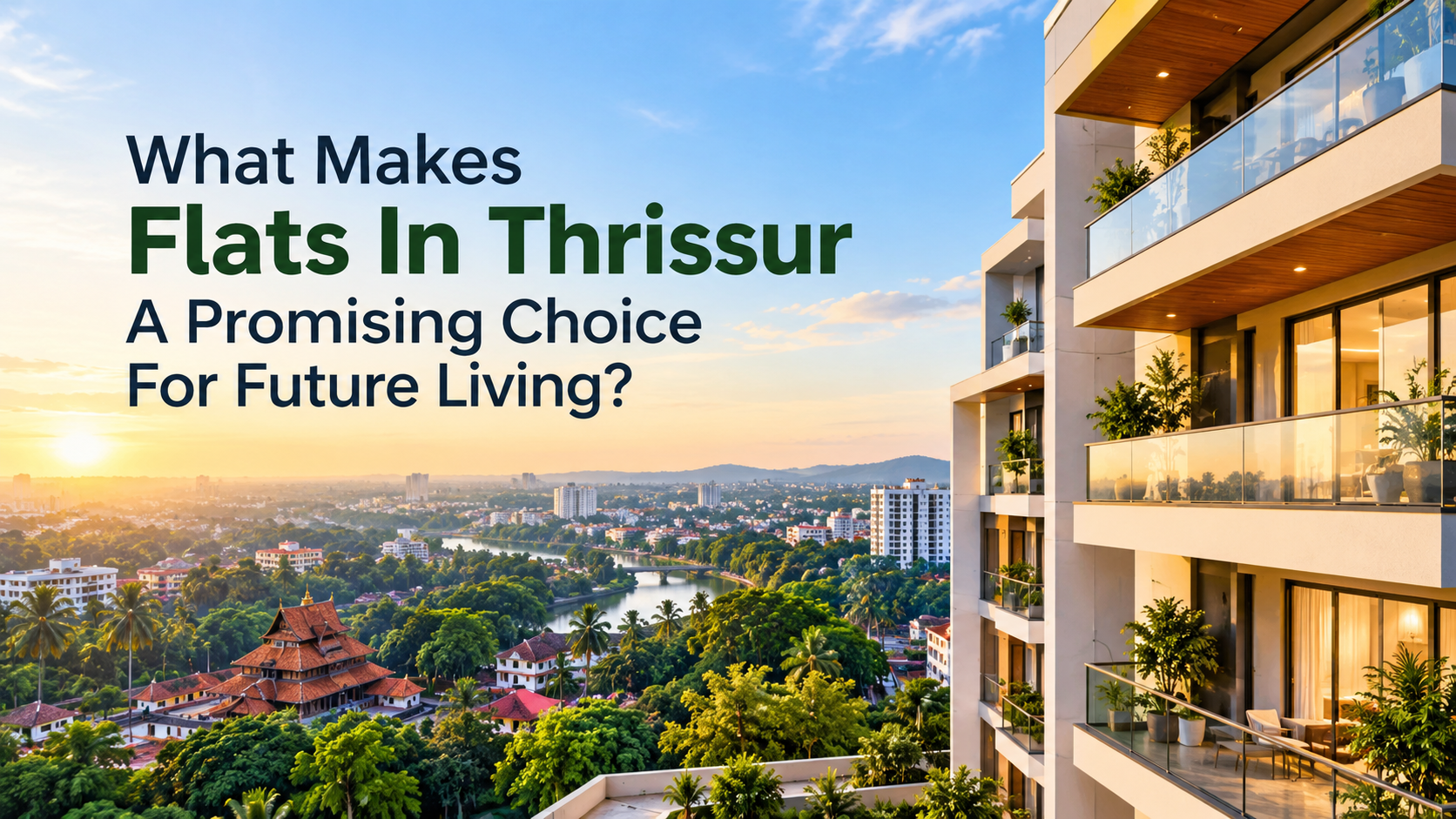
Best Moisture-Resistant Materials for Modular Kitchens in Kochi
Protect Your Kitchen from Humidity with the Right Materials
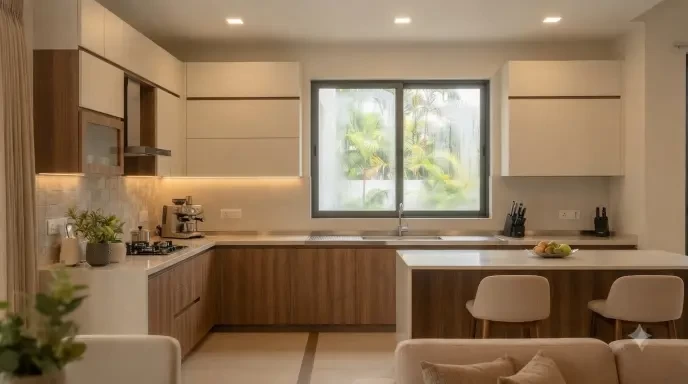
When I think about designing a modular kitchen in Kochi, I believe the first conversation should not be about colours, handles, or glossy finishes. It should begin with one simple question: Can the materials withstand Kochi's humid environment?
Living in a coastal region means kitchens regularly experience humidity, steam, water splashes, cooking heat, and occasional leaks. Over time, choosing the wrong cabinet material can result in swelling, warping, peeling, or deterioration. This is why material selection has become one of the most important decisions I consider when planning a modern kitchen.
For homeowners exploring modular kitchen designers in Kochi, understanding the materials used inside the kitchen is just as important as choosing its outward appearance.
Why Moisture Resistance Matters in Kochi Kitchens
Kochi's climate makes moisture a practical concern rather than simply a design consideration. Steam from cooking, wet utensils around the sink, spills and high atmospheric humidity can all affect cabinetry.
I have found that experienced kitchen interior designers in kochi often point out that homeowners focus heavily on the visible finish of their kitchen. However, the material underneath that finish plays a much bigger role in determining durability.
A beautiful laminate cannot compensate for a poor-quality cabinet core. For a kitchen intended to last for years, I would always look at the carcass material, edge sealing, shutter material and hardware before making a final decision.
BWP Plywood for High-Moisture Areas
BWP, or Boiling Water Proof plywood, is one of the materials I would consider when water exposure is a major concern.
It is particularly useful for areas such as under-sink cabinets, where accidental leaks and water contact are more likely. BWP plywood uses waterproof adhesive technology and is designed to perform better in moisture-prone environments than ordinary interior-grade plywood.
For a Kochi kitchen, I see BWP plywood as a strong option when durability is the priority. It is also known for good screw-holding strength, which is useful for drawers, hinges and frequently used kitchen hardware.
However, I would not assume that simply choosing BWP plywood makes a kitchen completely waterproof. Proper edge sealing, installation and protection from standing water are equally important.
HDHMR: A Popular Choice for Modern Kitchens
HDHMR, or High-Density High Moisture Resistant board, has become increasingly popular in contemporary modular kitchen design.
What I particularly like about HDHMR is its dense and uniform structure. It provides a smooth surface that works well with laminates, acrylic finishes and painted finishes. It is also designed to provide better moisture resistance than conventional MDF.
For homeowners who want a clean, contemporary appearance, HDHMR can be an attractive option. Its smooth surface is particularly useful when the design calls for sleek shutters and precise detailing.
That said, I would still recommend selecting the material based on where it will be used, rather than assuming one material is automatically ideal for every cabinet.
Stainless Steel for Maximum Moisture Protection
Stainless steel is another interesting option, particularly for homeowners who want maximum resistance to moisture and long-term durability.
Unlike wood-based boards, stainless steel does not swell because of water exposure. This makes it particularly interesting for kitchens where durability and easy maintenance are major priorities.
The trade-off is that stainless steel creates a different visual character. I find it works particularly well when combined with modern finishes, wood accents or minimalist styling rather than being used throughout every visible surface.
BWR Plywood for Moderate Moisture Exposure
BWR, or Boiling Water Resistant plywood, can also be considered for areas that experience regular humidity but not constant direct water exposure.
The important point I always emphasise is that BWR and BWP are not interchangeable. BWP is generally the stronger choice for areas with greater water exposure, while BWR can work well in comparatively protected parts of the kitchen.
The right choice ultimately depends on the kitchen layout, ventilation, sink position and expected usage.
Don't Ignore Edge Sealing and Installation
One lesson I have learned from looking at kitchen construction is that the board itself is only one part of the equation.
Even a moisture-resistant material can suffer if exposed edges are poorly sealed. Water can enter through joints, cut-outs and unprotected edges, particularly around sinks and plumbing connections.
That is why I would pay attention to edge banding, sealing, cabinet joints, sink cut-outs and plumbing access when evaluating a modular kitchen proposal.
In my opinion, good installation is what allows a good material to perform the way it is supposed to.
Which Material Should You Choose?
I don't think there is one universal answer for every Kochi home.
For areas with significant water exposure, BWP plywood can be a dependable choice. For contemporary cabinetry where moisture resistance, smooth finishes and value are important, HDHMR is worth considering. Stainless steel can be excellent when maximum moisture resistance and durability are the priorities.
In many well-planned kitchens, a combination of materials can actually make more sense than using one material everywhere. Current 2026 kitchen-material guides increasingly recommend choosing materials according to the specific cabinet zone rather than treating the entire kitchen identically.
Choosing the Right Modular Kitchen Designers in Kochi
When I evaluate a modular kitchen proposal, I don't look only at the final 3D design. I want to know what is actually being installed behind the finished surface.
Before selecting modular kitchen designers in Kochi, I would ask for a clear material specification covering the carcass, shutters, back panels, edge treatment and hardware. I would also ask where BWP plywood, HDHMR or other materials will be used and why.
A kitchen should look beautiful on the day it is completed, but more importantly, it should continue to function well after years of cooking, cleaning, humidity and everyday family life.
For a Kochi home, I believe the smartest modular kitchen is not necessarily the most expensive one.It is the one where every material has been selected according to the environment, usage and long-term needs of the homeowner.
Related Blog

















69d8c098183eb.jpg)




699d25acafc91.jpg)







693fd66242110.jpg)
693be91f9e848.jpg)
693c018309eb3.jpg)
693fc7984290e.jpg)

693c0b5f9fd15.jpg)

693fe8574c696.jpg)
693bf3d581e17.jpg)
693fd05d8e2b2.jpg)