
Malayalam Is Now Compulsory in Kerala Schools: What Parents Need to Know

If you're a parent in Kerala, you've probably heard the news by now, and maybe felt a small flutter of worry along with it. I've had the same conversation with so many families lately: "Is my child ready for this? And what exactly changed?"
Take a breath. This is far less scary than the headlines make it sound. Let me walk you through what I understand, what it means at home, and what you can do from today.
So, what has actually changed?
In March 2026, Kerala's Governor signed the Malayalam Language Bill 2025 into law. Malayalam is now the sole official language of administration in the state. For families, the part that matters most is this: government and aided schools must teach Malayalam as the compulsory first language up to Class 10.
There is also a kinder detail that often gets missed. Students who come from other states or countries and don't speak Malayalam are not expected to take the language exam in higher classes. So the law is not meant to punish anyone who is new to the language.
One honest note: rules like this can be applied differently depending on your school's board and management. Please check the exact position with your child's school rather than relying on any blog, including this one.
What this means for your child
The answer depends on where your child is right now.
If your child is in LKG to Class 4, you are in the best position of all. Young children absorb letters, sounds and rhythm so quickly. A gentle start now means Malayalam feels like an old friend by the time the exams arrive.
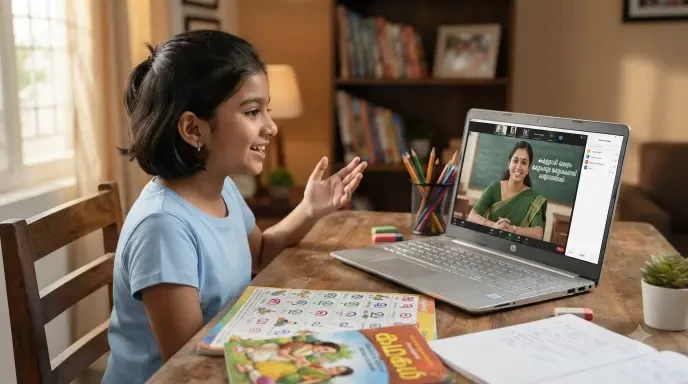
If your child is in Classes 5 to 8, this is the moment to act. The syllabus gets heavier, and a child who can speak Malayalam but can't read joined letters fluently starts to feel left behind. A few months of steady reading and writing practice can change that completely. A structured Malayalam reading and writing course for kids is a good way to build that foundation without turning evenings into a battle.
If your child is in Classes 9 and 10, the pressure is real, and I won't pretend otherwise. But it is manageable with focused help, especially on spelling, grammar and sentence writing. Regular online Malayalam tuition alongside school can bring back confidence quickly.
If you're an NRI or NRK family, please don't panic. Whether this directly affects your child depends on their schooling. Even so, I believe the law is a lovely reminder to keep that connection to home alive.
The real struggle isn't speaking. It's writing.
Here is something I see again and again. Many children speak Malayalam beautifully at home, with their grandparents, with their cousins. But put a pen in their hand and everything changes.
The culprits are usually the same:
- Joined letters (?????????????) that look like puzzles
- Spelling, because Malayalam is written very differently from how it is spoken
- Sentence building, where children know the words but not how to put them together
None of this means your child is "weak in Malayalam." It simply means reading and writing were never practised the way speaking was.
How I'd help my child prepare
If this were my own child, here is exactly what I would do.
- Start small and daily. Ten minutes beats an hour once a week. Read one short line aloud together every evening.
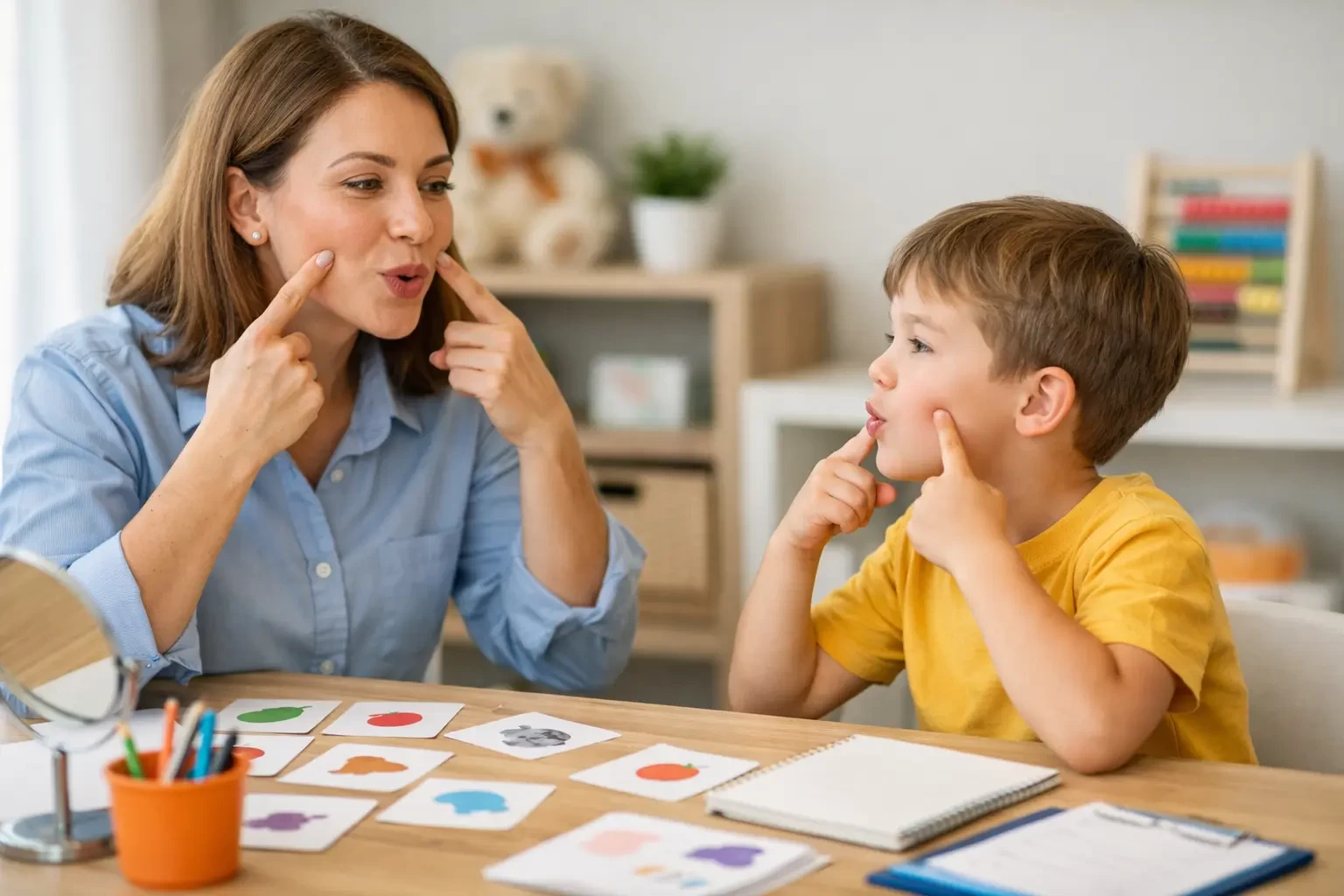
- Make it fun. Letter games, picture cards, little stories. Children who enjoy Malayalam don't fear it.
- Read real things. Even a simple newspaper headline read together teaches children that Malayalam is a living language and not just a school subject.
- Praise effort, not perfection. A confident child writes more, and writing more is how fluency grows.
- Don't wait for exam season. Early practice means less stress later.
If you'd like a ready-made path, a course in Malayalam reading and writing can take a learner from letters all the way to confident sentences, with a teacher giving feedback at each step.
Why I think this is good news
I'll be honest. When I first read about the law, I felt something close to pride. Our language is being given the place it deserves in our children's education.
But a law only opens the door. It's the daily, patient, joyful practice at home that helps a child walk through it. And that part is in your hands, and you don't need to do it alone.
Not sure where to begin?
If you're unsure about your child's level, you don't have to guess. You can explore all the Malayalam programs, learn more about our teaching approach, or simply reach out with your questions. We'd be glad to help you find the right starting point.
Ready to try it? Book a free trial class and let your child experience Malayalam learning that feels like play, not pressure.
Related Blog

























69d8c098183eb.jpg)




699d25acafc91.jpg)









693fd66242110.jpg)
693be91f9e848.jpg)
693c018309eb3.jpg)
693fc7984290e.jpg)

693c0b5f9fd15.jpg)


693fe8574c696.jpg)
693bf3d581e17.jpg)
693fd05d8e2b2.jpg)